What Is a Bomber Jacket? The Men’s Guide to Fit, Types, and Outfits
What a bomber jacket is, how it should fit, the main types from MA-1 to suede, and what to wear with one for casual and smart casual outfits.

We may earn a commission when you buy through links on this page, at no extra cost to you. How we earn money
In this guide
- What Is a Bomber Jacket?
- Why Is It Called a Bomber Jacket?
- Bomber Jacket vs Flight Jacket
- Key Features of a Bomber Jacket
- Main Types of Bomber Jackets
- Best Bomber Jacket Materials
- How Should a Bomber Jacket Fit?
- How to Wear a Bomber Jacket
- Best Bomber Jacket Colors for Men
- Bomber Jacket Mistakes to Avoid
- FAQs
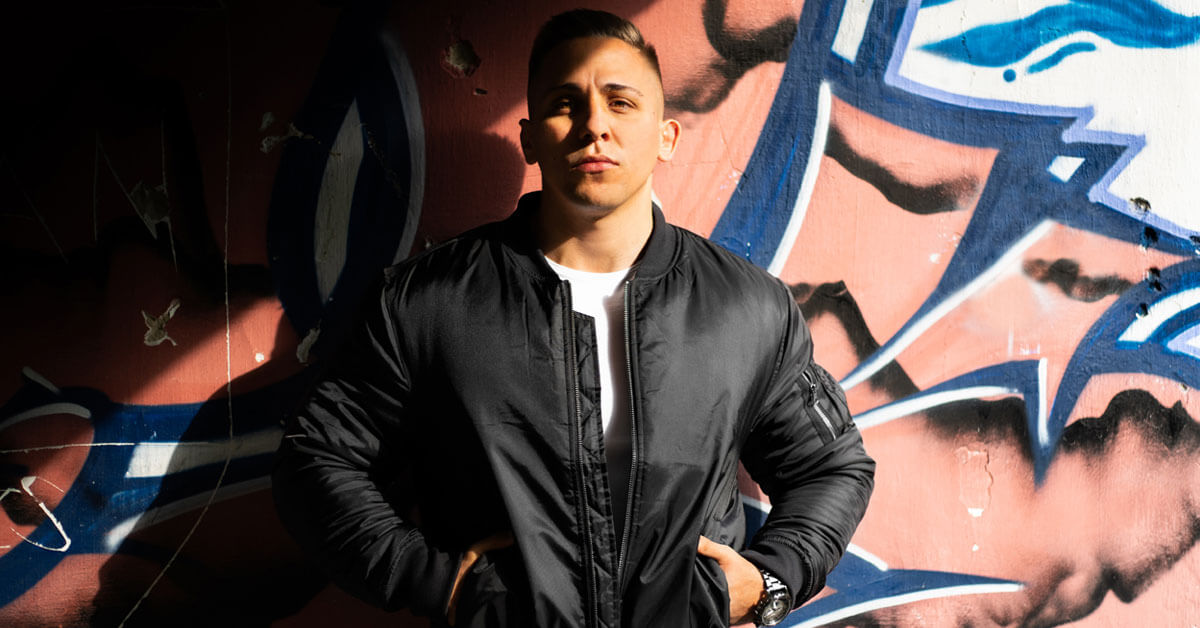
A bomber jacket is a short zip-front jacket with a ribbed collar, ribbed cuffs, and a ribbed waistband that sits at or just below the hip. It originated as military flight gear and became one of the most copied silhouettes in men’s outerwear. This guide covers what makes a bomber jacket, how it should fit, which types to know, and how to actually wear one.
Table of Contents
What Is a Bomber Jacket?
A bomber jacket is defined by its silhouette: short body, fitted waistband, fitted cuffs, and a clean zip front. Those features come from its original purpose: keeping pilots warm in open cockpits without restricting movement. The waistband and cuffs seal out wind. The short length keeps the jacket clear of the seat.
Modern bomber jackets keep that basic shape but come in a wide range of materials, weights, and finishes. A lightweight nylon MA-1 is a bomber jacket. So is a shearling B3, a suede version, a varsity jacket, or a quilted bomber. The silhouette is what connects them.
It’s not a biker jacket (which has a diagonal zip and an asymmetric front). It’s not a flight jacket (technically the same thing with a different name, explained below). It’s not a coach jacket (which is longer and usually in nylon with no ribbing). The defining features are the ribbed collar, cuffs, and hem combined with the short length.
Why Is It Called a Bomber Jacket?
The name comes directly from its original users: the bomber crews of the US Army Air Corps in the First and Second World Wars. The jacket was designed to keep aircrew warm at altitude, in open or lightly enclosed cockpits where temperatures could drop well below freezing. “Bomber jacket” became the civilian shorthand for any jacket built on that silhouette, whether or not it was made for a pilot.
Bomber Jacket vs Flight Jacket
These two terms are often used interchangeably, and in most contexts they refer to the same thing. A flight jacket is any jacket designed for military aviation use. A bomber jacket is the civilian name for the same silhouette.
In strict military terminology, flight jackets include specific models with exact designations: A-1, A-2, B-3, G-1, MA-1. In everyday use, all of these are called bomber jackets. If someone says “flight jacket” they usually mean a more militarily accurate version: heavier, more detailed, closer to the original specs. If they say “bomber jacket,” they usually mean the modern, adapted silhouette.
Key Features of a Bomber Jacket
These are the details that make a bomber jacket what it is:
Ribbed collar: Usually a flat, low rib collar that sits close to the neck. Classic bombers had a wider shirt-style collar; modern versions are typically ribbed.
Zip front: The standard closure. Some historical models (A-1) used buttons, but zip-front is the modern norm. The zip usually runs all the way to the collar.
Ribbed cuffs: Elasticated knit cuffs that seal at the wrist. The cuffs should sit at your wrist bone, not pushed up to the forearm, not hanging over your hand.
Ribbed waistband: The hem sits fitted at the waist or just below. This is what keeps the jacket from looking like a blouson or a casual zip-up. The waistband should sit around the belt line.
Short body length: A bomber jacket ends at the hip, not the thigh. If it’s hanging longer, it’s a different jacket.
Front pockets: Typically two side pockets with zip or button-flap closures. The MA-1 style adds a small zip pocket on the left sleeve.
Lining: Traditionally a contrasting lining: the MA-1’s bright orange lining is the most iconic example. Modern versions use quilted, satin, or fleece linings depending on weight.
Main Types of Bomber Jackets
A-2 (leather bomber): The most classic silhouette. Brown or black leather, zip front, wide lapel collar, knitted cuffs and hem. This is what most people picture when they think “leather bomber jacket.” The A-2 originated in the 1930s and has been in continuous production since. It works for smart casual and casual outfits.
MA-1 (nylon bomber): The most copied modern bomber. Lightweight nylon outer, orange inner lining, flat ribbed collar, slim silhouette. Originally produced in 1955 for US Air Force pilots. The MA-1 is the baseline for most streetwear and fashion bombers. It works for casual outfits.
B-3 (shearling bomber): The heaviest and most traditional. Thick leather outer, sheepskin lining, large collar designed to be worn up. Genuinely warm, genuinely bulky. A statement piece. Works for casual and rugged looks in cold weather.
G-1 (naval aviator jacket): Similar to the A-2 but with a distinctive fur collar. Made famous by Tom Cruise in Top Gun. Leather body, knitted cuffs and hem, fur-trimmed collar. More traditional, works for smart casual.
Varsity (letterman) jacket: The casual, athletic version. Typically a wool body with leather sleeves, contrasting collar, cuffs, and hem in school colors. Logos or patches on the chest or back. Works for streetwear and casual looks. The rugged look guide covers how to wear these in more detail.
Quilted bomber: A modern adaptation. The outer layer has a padded, diamond-quilted pattern. Lighter than shearling, slightly more refined-looking than nylon. Works for smart casual in cold weather.
Suede bomber: A softer, more relaxed material than leather. It reads less aggressive and pairs more naturally with chinos and Oxford shirts. The most versatile bomber for smart casual outfits.
Best Bomber Jacket Materials
Nylon or polyester: Lightweight, water-resistant, casual. The MA-1 silhouette is the standard. Works for spring, autumn, and mild winters. Easy to clean. This is the most casual material. It doesn’t cross into smart casual easily.
Leather: Heavier, warmer, more statement-led. Black leather reads more aggressive; brown leather is more versatile and easier to dress casually. Leather bombers work for autumn and winter. They’re less comfortable in mild weather and need more care.
Suede: Softer than leather, more relaxed, naturally more casual in texture but smarter in appearance than nylon. Tan or sand suede pairs easily with chinos and dark jeans. Good for autumn. Not waterproof, so avoid it in rain.
Wool: The warmest non-shearling option. Works in late autumn and winter. Cleaner-looking than most bomber jackets because the texture reads closer to tailoring. Good for smart casual.
Shearling (B-3 style): The warmest option. Genuine sheepskin or faux shearling. A statement piece. It’s a big jacket and reads as such. Works in cold weather only.
Satin or silk-feel: Lighter versions of nylon. Often used for printed or fashion bombers. Too thin for cold weather, works in mild temperatures or indoors.
Denim: A casual crossover between a denim jacket and a bomber silhouette. Casual only, mostly a summer or mild-weather piece.
How Should a Bomber Jacket Fit?
Fit is where most bomber jacket outfits go wrong. The jacket is already a casual, relaxed piece, so a bad fit makes it look shapeless.
Shoulders: The shoulder seam should sit at the edge of your shoulder. If it’s dropping down your upper arm, the jacket is too big.
Chest: Enough room to layer a shirt or light knit underneath without the jacket pulling across the chest. A bomber worn over a tee should have some room; over a thick knitwear, it should still close cleanly.
Sleeve length: The sleeve should end at your wrist bone. The ribbed cuff then sits over the wrist. You shouldn’t need to push the sleeves up constantly.
Body length: The waistband should sit around your belt line, not higher (too cropped), not below the hip (too long). If the hem is touching your pockets, it’s likely too long.
Overall silhouette: Modern bomber jackets have a slimmer, more tapered body than the original boxy military version. That’s what makes them work in contemporary outfits. A very boxy or oversized bomber can work as a deliberate streetwear choice, but it needs a slim bottom to balance it.
Body type notes: Shorter men should avoid long or very bulky bombers. They shorten the torso. Lean men can use a padded or wool bomber to add some bulk. Broader men should avoid very tight nylon or shiny synthetic versions. They emphasize width rather than shape.
How to Wear a Bomber Jacket
The bomber jacket works across casual, smart casual, and weekend outfits. The material and color do most of the work in determining which direction you go.
Casual (nylon MA-1)
White or grey tee + slim dark jeans + white sneakers + olive or black MA-1 bomber. Simple, clean. This is the default and it works. Add a cap if you want to lean into the casual angle.
Casual with jeans and layers
Plain long-sleeve tee + dark slim jeans + suede chukka boots + navy or black bomber. Slightly more put-together than the tee-and-sneakers version. Works for weekends or low-key evenings.
Smart casual (suede bomber)
Suede bomber in tan or sand + Oxford shirt (light blue or white, tucked into chinos) + slim khaki or grey chinos + brown loafers. The suede reads softer than nylon and pairs naturally with the shirt and chinos. More ideas on building this kind of outfit in the smart casual dress code guide.
Smart casual (leather A-2)
Brown leather bomber + light grey crew-neck knit + dark slim trousers + brown Derby shoes or Chelsea boots. The leather bomber over knitwear is a cleaner combination than leather over a t-shirt. It works for dinner or a smarter casual occasion.
Autumn layered
Flannel shirt (worn open over a plain tee) + dark slim jeans + brown leather or suede bomber + suede chukka boots. The layering adds texture without overdoing it.
Cold weather
Roll neck or thick knit sweater + wool trousers or dark cords + shearling or wool bomber + leather boots. The bomber acts as a mid-layer: wear an overcoat over it if the temperature drops further. More on building a cold-weather wardrobe in the men’s capsule wardrobe guide.
Varsity casual
Plain white or grey tee + straight or slightly relaxed jeans + white trainers + varsity jacket. Keep the rest of the outfit simple when the jacket is doing the work visually.
Best Bomber Jacket Colors for Men
Black: Easiest to style. Works with almost everything. The most casual-reading black bomber is nylon; a structured black leather bomber can cross into smart casual.
Olive or army green: The most military-accurate color and the one that reads most naturally as a bomber jacket. Works well with navy, white, grey, and dark denim.
Navy: A cleaner, less casual alternative to black. Works across more outfit types than olive. A navy suede or wool bomber crosses into smart casual more easily than a navy nylon.
Brown: Only in leather or suede. Brown leather is slightly less aggressive than black. Brown suede is the most versatile bomber color for smart casual use.
Burgundy: Harder to style than the above options. Works with dark denim, grey, and black. Not for everyday use. Works best in wool or suede, not nylon.
Grey: Safe, neutral. Works across most outfit types. A grey wool bomber is a solid smart casual option.
White or cream: Very casual. Works in summer. Harder to keep clean. Not a first-purchase recommendation.
Bomber Jacket Mistakes to Avoid
Overstuffed pockets: Bomber jacket pockets sit on the front and add visual bulk. Keep them empty or minimal. Stuffed pockets distort the silhouette.
Too much military hardware at once: If the jacket already has patches, a fur collar, and military insignia, the outfit doesn’t need more of the same. Keep everything else plain.
Waistband sitting too high: If the waistband is riding up above your natural waist, the jacket is too small. It should sit at the belt line, not across the stomach.
Cheap shiny nylon on a smart outfit: A thin, reflective nylon bomber does not cross into smart casual no matter what shirt you wear under it. If you want to dress the bomber up, use suede, wool, or leather.
Bulky bomber under a tailored coat: A very padded or shearling bomber worn under a structured overcoat looks shapeless. If you need an overcoat, choose a slimmer layer underneath.
Graphic tees with a suede or leather bomber: A basic tee works. A printed graphic tee fights the jacket. Keep it plain.
Going too big: A very oversized bomber can work in a deliberate streetwear context, but it needs slim, tapered bottoms to balance the silhouette. If both the jacket and the trousers are loose, the outfit reads shapeless.
FAQs
What makes a jacket a bomber jacket?
The defining features are a short body length, ribbed collar, ribbed cuffs, ribbed waistband, and zip-front closure. These details come from the jacket’s original purpose as military flight gear. If a jacket has those features, it’s a bomber jacket regardless of material or color.
Are bomber jackets still in style?
Yes. The MA-1 nylon silhouette has been a streetwear staple for decades, and leather and suede versions remain part of smart casual dressing. The jacket isn’t trend-dependent. It’s a wardrobe staple in the same way a denim jacket is.
Should a bomber jacket be tight or loose?
Neither. It should fit cleanly across the shoulders, have room in the chest to layer a shirt or light knit, and close without pulling. The waistband should sit at the belt line. A very tight bomber looks uncomfortable; a very loose one loses its shape and reads sloppy.
Can you wear a bomber jacket with smart casual outfits?
Yes, with the right material. Suede, wool, and leather bombers work for smart casual. Nylon is harder to dress up. Pair a suede bomber with an Oxford shirt, slim chinos, and leather shoes and it reads as smart casual without effort.
What is the best bomber jacket color for men?
Black, olive, and navy are the most versatile starting points. Brown suede is the best option if you want a bomber that crosses into smart casual. Burgundy is a harder color to style and works better once you’re comfortable with the other options.
Is a bomber jacket good for winter?
It depends on the material. A lightweight nylon MA-1 is not a winter jacket on its own. A wool or quilted bomber works for mild winter days. A shearling B-3 is genuinely warm. For proper cold weather, layer a bomber under a heavier overcoat.
What is the difference between a bomber jacket and a varsity jacket?
Both share the bomber’s basic silhouette: short length, ribbed cuffs, ribbed waistband. A varsity jacket typically has a wool body with leather sleeves, contrasting collar and cuffs in different colors, and a logo or patch on the chest. It reads more athletic and casual than a plain bomber. A bomber jacket in leather, suede, or nylon has a cleaner, less sporty appearance.