How to Dress Down a Blazer and Wear It Casually
How to dress down a blazer: swap the shirt, trousers and shoes, what makes a blazer casual, how it should fit, and outfits with jeans and chinos.

We may earn a commission when you buy through links on this page, at no extra cost to you. How we earn money
In this guide
- How Do You Dress Down a Blazer?
- Can You Dress Down a Suit Jacket or a Structured Blazer?
- What Is a Casual Blazer?
- How a Casual Blazer Should Fit
- Best Casual Blazer Colors and Fabrics
- Best Shirts to Wear With a Casual Blazer
- Best Pants to Wear With a Casual Blazer
- How to Wear a Casual Blazer With Jeans
- How to Wear a Casual Blazer With Chinos
- Best Shoes for Casual Blazer Outfits
- Casual Blazer Outfit Ideas by Occasion
- Blazer vs Sports Coat vs Suit Jacket
- Casual Blazer Mistakes to Avoid
- FAQs
To dress down a blazer, change what you wear around it. Swap the dress shirt and tie for a plain T-shirt, an Oxford shirt or a fine knit. Swap suit trousers for dark jeans or chinos. Swap dress shoes for loafers, boots or clean white sneakers. A casual blazer looks relaxed, not like half of a suit, and it works best when the jacket itself is soft and textured.
This guide covers how to dress down a blazer step by step, whether a suit jacket can be worn casually, what makes a blazer casual, how it should fit, and casual blazer outfits for jeans, chinos and real occasions.
Table of Contents
How Do You Dress Down a Blazer?
Dressing down a blazer means keeping the jacket and lowering the formality of everything else. Six changes do most of the work:
- Drop the tie. Leave the collar open, or skip the collared shirt altogether.
- Swap the dress shirt. A plain crew-neck T-shirt, an Oxford button-down, a polo or a fine-knit sweater all sit naturally under a blazer.
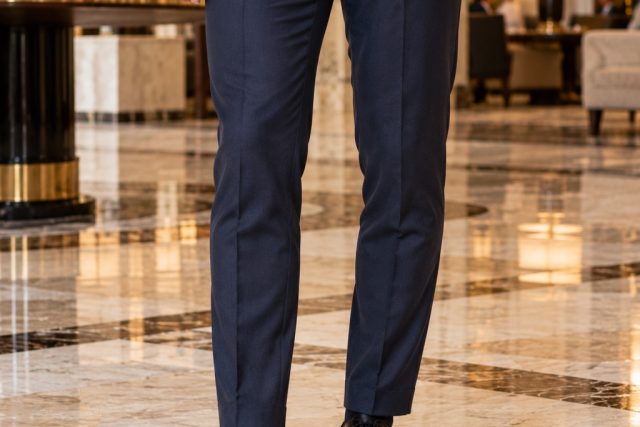
- Swap the trousers. Dark jeans or chinos in a color that clearly contrasts with the jacket. Trousers that nearly match the blazer look like a suit with the wrong pants.
- Swap the shoes. Suede loafers, Chelsea or chukka boots, or plain white leather sneakers instead of shiny Oxfords.
- Wear it open. An unbuttoned blazer looks more relaxed when you’re standing around at a bar, a dinner or a weekend lunch.
- Pick texture over shine. Hopsack, linen, cotton, tweed and flannel dress down easily. Smooth, shiny suit wool resists it.
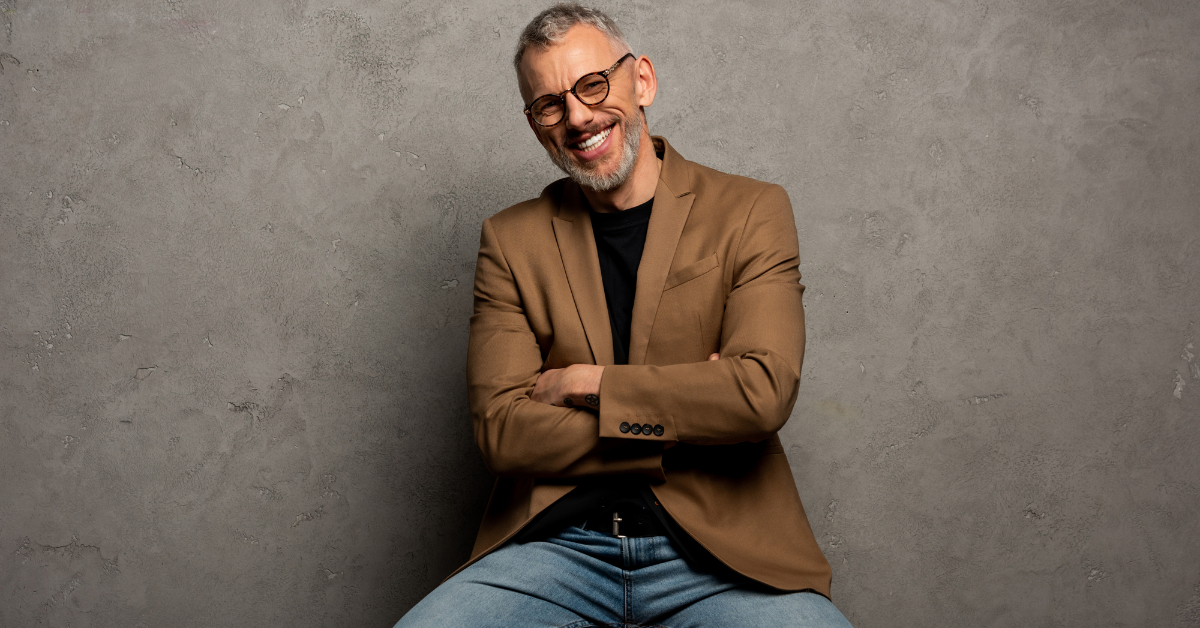
The fastest version: blazer + white T-shirt + dark jeans + white sneakers. Every outfit later in this guide is a variation on that formula.
Can You Dress Down a Suit Jacket or a Structured Blazer?
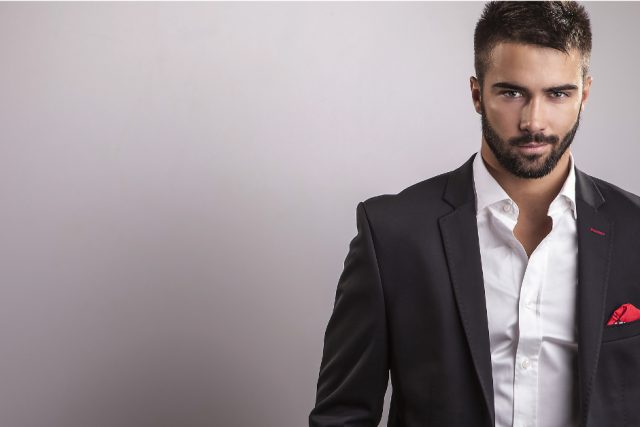
A suit jacket rarely dresses down well. Suit jackets are cut from smooth worsted wool with structured shoulders and flap pockets, and they are made to match their trousers. Worn with jeans, a suit jacket usually looks like a suit missing its pants.
If the jacket is all you have, a few choices make it work better:
- Keep it dark and solid. Navy or charcoal with no visible stripe is easier to separate from its trousers than a lighter or patterned suit jacket.
- Add texture underneath. A merino or cashmere knit, or an Oxford shirt, breaks up the smooth fabric.
- Choose dark, clean denim. Dark indigo jeans contrast with the wool without looking scruffy next to it.
- Smart casual shoes. Suede loafers or Chelsea boots, not sneakers.
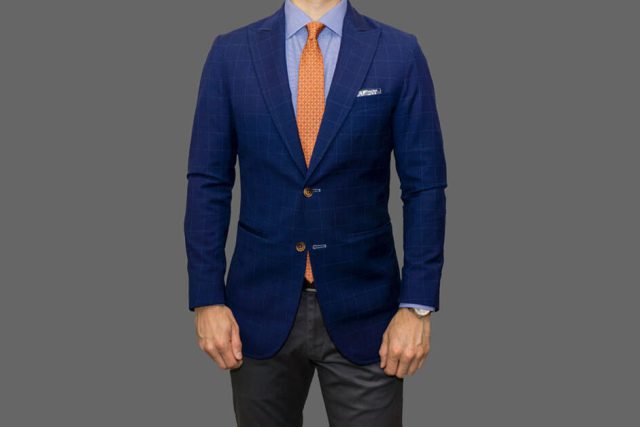
A structured club blazer with brass buttons is a separate jacket, so it can be dressed down, but the shiny buttons keep pulling it back toward formal. Pair it with chinos and an Oxford shirt rather than a T-shirt.
What Is a Casual Blazer?
A casual blazer is a tailored jacket built to be worn on its own, with jeans or chinos, rather than as half of a suit. Not every blazer can be dressed down. The difference is in the construction and the cloth, not just the color.
Soft shoulders: A casual blazer has little or no shoulder padding. The shoulder follows your natural line instead of building it up. Heavily padded, sharp shoulders look formal no matter what you wear underneath.
Unstructured or half-lined: An unstructured blazer has minimal internal canvas and often only a partial lining. It drapes more like a shirt-jacket and moves with you. That relaxed drape is what lets it sit naturally over a T-shirt.
Patch pockets: Pockets sewn onto the outside of the jacket are a casual detail. Flap or jetted pockets, set into the jacket, are more formal.
Textured fabric: Hopsack, linen, cotton twill, tweed, corduroy, and flannel all look casual because they have visible texture and a matte surface. Smooth, shiny worsted wool reads as suit fabric.
Buttons: Horn, corozo, or plain matte buttons in a tone close to the cloth. Brass buttons are traditional and push the jacket toward the classic club blazer look, which needs smarter styling.
If a blazer has all or most of these features, you can wear it with jeans and sneakers without it looking odd. If it has none of them, it’s probably a suit jacket, and it will look orphaned without its trousers.
How a Casual Blazer Should Fit
A casual blazer can be a little more relaxed than a suit jacket, but relaxed is not the same as oversized.
Shoulders: The seam ends at the edge of your shoulder. With a soft-shouldered jacket, check that the sleeve hangs cleanly from the seam with no rippling.
Button stance: Fasten the top button (on a two-button jacket) and look in the mirror. No X-shaped creases pulling from the button means the chest and waist fit. You should still be able to wear a light knit underneath.
Sleeves: A little shirt cuff showing if you wear a shirt. Over a T-shirt, the sleeve should end at the wrist bone. Sleeves that cover the base of your thumb make the whole jacket look borrowed.
Length: Around mid-seat. Casual blazers are often cut slightly shorter than suit jackets, which suits jeans and chinos better.
Collar: The jacket collar should sit against your shirt collar or the back of your neck without a gap.
Sleeves and waist are easy for a tailor to adjust. Shoulders and length are not, so prioritize those when you buy.
Casual blazers use the same chest sizing as suit jackets. If you don’t know your size, the suit size calculator turns your chest and height into a jacket size like 40R.
Best Casual Blazer Colors and Fabrics
Colors
Navy: The most versatile color. Works with almost every pant and shirt color. If you’re buying one casual blazer, start here. The navy blazer guide covers it in depth.
Grey: Mid grey and charcoal both work well casually, especially in textured wool or flannel. See the grey blazer guide for how to style it.
Olive: Relaxed and earthy. Pairs well with white, cream, navy, denim, and stone chinos.
Tan, camel, and brown: Warm colors that suit fall and look great with denim, white, and navy.
Cream or stone: A summer color, usually in linen or cotton. Best for warm-weather events and vacations.
Subtle checks and herringbone: Muted patterns in brown, grey, or green, mostly in tweed or wool. Keep the shirt plain underneath.
Fabrics by Season
Spring and summer: Cotton, linen, linen blends, and seersucker. Linen breathes well but creases. Linen-cotton blends crease less. Lightweight wool hopsack is also a good warm-weather option because its open weave lets air through.
Year-round: Wool hopsack and lightweight flannel. A navy or grey hopsack blazer is the most useful single casual blazer you can own.
Fall and winter: Tweed, heavier flannel, corduroy, and brushed wool. These have more weight and texture, which pair naturally with knitwear, flannel shirts, and boots.
Jersey or knit blazers: The most relaxed type. Comfortable for travel and long days, but too casual for anything business-related.
Best Shirts to Wear With a Casual Blazer
White T-shirt: The most casual option. Crew neck, plain, fitted, and heavy enough not to look like an undershirt. Grey, navy, and black tees work too. No graphics or logos.
Oxford button-down: The default for smart casual. White or light blue, tucked or untucked depending on the setting. The soft collar sits well under an unstructured jacket.
Polo shirt: A knitted or pique polo works in warm weather. Keep the collar flat and the color plain.
Fine knit or roll neck: A merino crew neck or roll neck under a tweed or flannel blazer is a strong fall and winter look. No shirt needed underneath.
Denim or chambray shirt: Adds texture without much effort. Pair with chinos rather than jeans to avoid too much denim.
Flannel shirt: Works under a tweed or corduroy blazer. Keep the check muted. The flannel outfit guide covers more options.
Avoid: Graphic tees, hoodies, and loud printed shirts. A casual blazer can handle relaxed clothes, but not ones that fight it.
Best Pants to Wear With a Casual Blazer
Chinos: The most natural partner. Beige, stone, navy, olive, and grey all work. More ideas in the khaki pants guide.
Dark jeans: Smart casual and easy. Slim or straight, dark wash, no rips.
Wool trousers: Grey flannel or tropical wool trousers make a casual blazer look smarter, without becoming a suit.
Corduroy trousers: Good for fall and winter, especially with tweed or a navy hopsack blazer.
Linen trousers: Summer only. White, cream, or stone with a linen or cotton blazer.
Shorts: Possible with an unstructured linen blazer at a summer event, but it’s a hard look to get right. Tailored shorts only. The shorts outfit guide covers the basics.
Avoid joggers, cargo pants, and anything baggy. Also avoid trousers that nearly match the blazer, which makes it look like a mismatched suit.
How to Wear a Casual Blazer With Jeans
This is the combination most men want, and it works when the details are right.
Denim rules: Dark indigo or black, slim or straight leg, no distressing, no fading at the knees. The jeans should touch the top of the shoe with little or no break. Light-wash or baggy jeans look accidental under a blazer.
Blazer rules: Choose a textured, unstructured blazer. Smooth, shiny fabric looks wrong next to denim.
Shoe rules: Suede loafers, Chelsea boots, chukka boots, or white leather sneakers. Shiny black Oxfords are too formal for jeans.
Outfits:
- Olive cotton blazer + white tee + dark indigo jeans + white leather sneakers.
- Brown tweed blazer + grey merino crew neck + dark jeans + brown suede chukka boots.
- Charcoal hopsack blazer + light blue Oxford shirt + black jeans + black suede Chelsea boots.
How to Wear a Casual Blazer With Chinos
Chinos are the easiest pants to wear with a casual blazer because they sit at the same level of formality.
Color pairings that work:
- Navy blazer with stone, olive, or grey chinos.
- Grey blazer with navy or beige chinos.
- Olive blazer with cream, stone, or navy chinos.
- Tan or brown blazer with navy or dark green chinos.
Outfits:
- Tan cotton blazer + white Oxford shirt + navy chinos + brown suede loafers.
- Olive blazer + navy polo + stone chinos + white sneakers.
- Grey flannel blazer + white button-down + dark green chinos + brown Derbies.
Best Shoes for Casual Blazer Outfits
Suede loafers: The best all-round casual blazer shoe. Brown, tan, or navy suede.
White leather sneakers: Plain, clean, and minimal. They make a blazer outfit casual instantly.
Chukka or desert boots: Suede in tan, brown, or sand. Good for fall and with jeans or chinos.
Chelsea boots: Suede or smooth leather. Brown with warm blazers, black with grey or charcoal.
Derbies: Suede or pebble-grain leather in brown. Smarter, but still relaxed.
Espadrilles or suede driving shoes: Summer only, with linen.
Keep shoes clean. A casual blazer outfit falls apart fast with scuffed or worn-out shoes.
Casual Blazer Outfit Ideas by Occasion
Weekend: Olive cotton blazer + grey tee + dark jeans + white sneakers. Relaxed and simple.
Date night: Charcoal unstructured blazer + black fine-knit crew neck + black jeans + black Chelsea boots.
Casual Friday or relaxed office: Navy hopsack blazer + light blue Oxford shirt + grey wool trousers + brown suede loafers. Check the smart casual dress code guide for what your office expects.
Summer event or garden party: Cream linen blazer + white linen shirt + navy chinos + tan suede loafers. More warm-weather ideas in the men’s summer fashion guide.
Fall weekend: Brown herringbone tweed blazer + cream roll neck + dark indigo jeans + brown suede chukka boots.
Travel: Navy jersey blazer + white tee + stone chinos + white sneakers. Comfortable for long days, still looks put together.
Blazer vs Sports Coat vs Suit Jacket
Suit jacket: Made to be worn with matching trousers. Usually smooth worsted wool, structured shoulders, and flap pockets. Worn alone, it looks like half a suit.
Sports coat: Originally made for outdoor and country pursuits. Typically cut from textured or patterned cloth like tweed or houndstooth. Always worn with odd trousers.
Blazer: Traditionally solid-colored, often navy, worn with contrasting trousers. Today, most men use “blazer” for any tailored jacket worn as a separate.
In practice, a casual blazer and a sports coat overlap heavily. What matters is that it’s built to be worn on its own.
Casual Blazer Mistakes to Avoid
Wearing a suit jacket as a blazer: Smooth fabric, sharp shoulders, and flap pockets give it away. Buy a jacket designed to be worn alone.
Poor fit: Too big in the shoulders or too tight across the stomach. A relaxed blazer still needs to fit.
Sleeves too long: The most common mistake. A tailor can shorten them cheaply.
Loud prints: Bold printed blazers or busy shirts under a casual blazer quickly look like a costume.
Formal shoes with casual jeans: Shiny black Oxfords and distressed denim don’t belong together.
Too many accessories: A pocket square, tie, lapel pin, and statement watch with a casual blazer is overkill. One detail is enough.
For more ways to build a wardrobe around pieces like this, see the men’s capsule wardrobe.
FAQs
How do you dress down a blazer?
To dress down a blazer, keep the jacket and make everything around it more casual: a plain T-shirt, Oxford shirt or knit instead of a dress shirt and tie, dark jeans or chinos instead of suit trousers, and loafers, boots or white sneakers instead of dress shoes. A soft, textured blazer dresses down more easily than a smooth suit jacket.
Can you wear a blazer with sneakers?
Yes. A blazer works with plain white or off-white leather sneakers that are clean and low profile. Pair them with jeans or chinos and a T-shirt, polo or Oxford shirt. Chunky running shoes and worn-out canvas sneakers look out of place under a tailored jacket.
What do you wear with a casual blazer?
A plain tee, Oxford shirt, polo, or fine knit on top, with chinos or dark jeans. Finish with suede loafers, white leather sneakers, or boots. Keep the colors simple and let the blazer’s texture do the work.
Can you wear a blazer with jeans?
Yes. Use dark, slim or straight jeans with no distressing, and pick a textured, unstructured blazer. Pair with loafers, Chelsea boots, chukkas, or clean white sneakers.
What shoes go with a casual blazer?
Suede loafers are the most versatile choice. White leather sneakers make it more casual. Chukka boots, Chelsea boots, and suede Derbies work well in cooler weather.
Can you wear a T-shirt under a blazer?
Yes, as long as the T-shirt is plain, fitted, and has a crew neck. White, grey, navy, and black are the safest colors. Choose an unstructured blazer so the outfit looks balanced.
What color casual blazer is most versatile?
Navy. It works with chinos, jeans, wool trousers, and almost every shirt color. Grey is a close second, and olive is a good third if you already own those two.
Is a casual blazer smart casual?
Yes. A casual blazer with chinos or dark jeans, a collared shirt or fine knit, and leather shoes is the core of most smart casual outfits. Swap the shirt for a tee and the shoes for sneakers and it moves toward casual.
How should a casual blazer fit?
The shoulders should end at your natural shoulder, the jacket should close without pulling, the sleeves should end at your wrist bone, and the length should reach around mid-seat. It can be slightly roomier than a suit jacket, but not oversized.