How to Dress in Your 20s for Men
How men should dress in their 20s: what to buy first on a tight budget, fit rules, early vs late 20s style, and outfits for work, dates, and weddings.

We may earn a commission when you buy through links on this page, at no extra cost to you. How we earn money
In this guide
Your 20s are the decade to try things: streetwear, color, a bolder jacket, a haircut you might regret. That’s fine, as long as it sits on top of a few basics that fit and a pair of clean shoes. This guide covers what to buy first on a tight budget, how your style should change from college to first job, the fit rules that matter, and outfits for real situations.
Table of Contents
How Men Should Dress in Their 20s
The short version: experiment on top, build a foundation underneath.
Most men start their 20s with clothes someone else bought or a pile of cheap pieces from school. Money is usually tight, and life changes fast: classes, internships, a first job, a move to a new city, the first round of friends’ weddings. Your clothes have to keep up with all of it without a big budget.
So think of your wardrobe in two parts.
The foundation (most of it): Plain tees, dark jeans, chinos, an Oxford shirt, a casual jacket, clean sneakers, one pair of leather shoes. These don’t go out of style and they all work with each other. Buy them first, in the best quality you can afford.
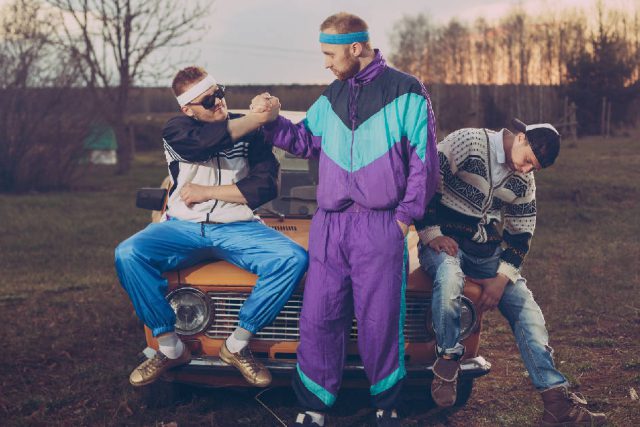
The experiments (a small slice): A graphic tee you actually like, cargo pants, a loud sneaker, a patterned overshirt, a bucket hat. Buy these cheap or secondhand, because you probably won’t be wearing most of them at 30.
That split avoids the two classic 20s problems: a closet full of trend pieces with nothing to wear to an interview, or a closet so safe it looks like your parents picked it.
Early 20s vs Late 20s Style
The decade isn’t one stage. What you need at 21 and what you need at 28 are different.
Early 20s (student years): Casual is most of your life, and the budget is the tightest it will ever be. This is the time to work out what you actually like wearing. Try streetwear, workwear, preppy, minimal. Thrift and buy on sale. But own at least one outfit that isn’t casual: a collared shirt, chinos, and leather shoes for interviews, internships, and family events.
Mid 20s (first job): Your first paycheck changes what’s possible, and your first job changes what’s required. Most of your weekday clothes now have to pass at work. Shift spending from sneakers and hoodies to shirts, chinos, a blazer, and leather shoes. Keep your weekend clothes, but retire the pieces that look like they came from a dorm room.
Late 20s (settling in): You know what you like by now. Start replacing worn-out cheap basics with better versions instead of buying more random pieces. Get your suit properly tailored if you haven’t already. Weddings, promotions, and dates that matter more all show up in this stretch. Your style should look like a choice, not a phase. When you get close to 30, the guide to dressing in your 30s picks up from here.
Fit Rules for Men in Their 20s
Most men in their 20s are easy to fit off the rack. The common mistakes are going too tight or too big, usually because of whatever was trending when the piece was bought.
T-shirts: Shoulder seam at the edge of your shoulder, sleeves ending around mid-bicep, hem around the middle of your fly. It should skim your chest, not cling to it. Thick cotton holds its shape. Thin tees go see-through and twist after a few washes.
Jeans: Slim or straight. If you can see the outline of your knees and the hem squeezes your ankle, they’re too skinny. If the leg is wide enough to flap when you walk, they’re too loose for a clean look. Aim for a small break or no break at the shoe.
Shirts: No pulling at the buttons when you sit down. Sleeves end at the wrist bone. If you’ll wear it untucked, the hem shouldn’t fall past the middle of your back pockets.
Jackets and blazers: The shoulder is the one thing a tailor can’t fix cheaply, so get it right in the store. Sleeve length and waist can be adjusted later.
Oversized streetwear: It works as a deliberate choice, not as a default. The rule: one loose piece per outfit. An oversized hoodie with slim-straight jeans looks intentional. An oversized hoodie, baggy cargos, and chunky sneakers together usually look like borrowed clothes.
Suits: Off the rack is fine at this age. Set aside a little extra for a tailor to hem the trousers and adjust the sleeves. That small spend matters more than the label.
Wardrobe Essentials for Your 20s
Buy in roughly this order. Each step adds the most new outfits for the money you have.
1. Plain tees: Three or four in white, grey, black, and navy. Crew neck, heavy cotton.
2. Dark jeans: One pair in dark indigo, slim or straight, no rips. Add black jeans later.
3. White leather sneakers: Low profile, minimal branding. They go with nearly everything casual.
4. Chinos: Khaki or stone first, then navy or olive. They bridge casual and work. The khaki pants guide has pairings.
5. Oxford shirts: White and light blue. Tucked for an interview, untucked over a tee on the weekend.
6. A casual jacket: A denim jacket, a bomber jacket, or a field jacket. Pick one that works with everything above.
7. A pair of boots: Brown suede chukkas or Chelsea boots. They cover fall, winter, and dates.
8. A navy blazer: Unstructured if you can find one. It turns jeans or chinos into a smart outfit in seconds. The casual blazer guide shows how to wear one without looking stiff.
9. Knitwear and flannel: A grey or navy crew neck sweater and one or two flannel shirts for colder months.
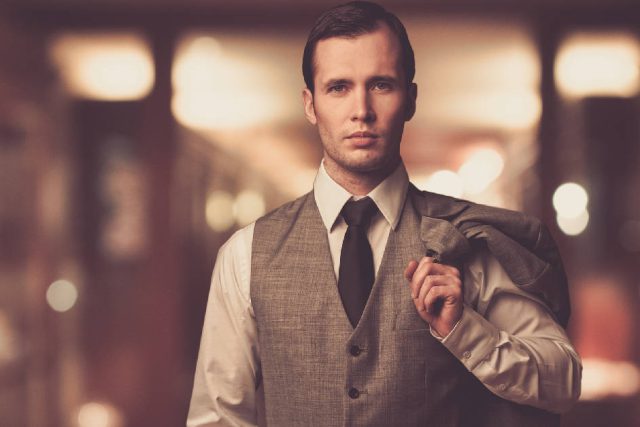
10. One suit: Navy or charcoal, plain, single-breasted, two buttons. This one suit handles interviews, weddings, funerals, and formal dinners. Skip black as a first suit: it suits evening events but looks out of place at a daytime interview or wedding.
Thrift stores and resale apps are good for jackets, flannel, knitwear, and denim, where wear adds character. Buy tees, underwear, and sneakers new. For the logic of building around fewer pieces, read the men’s capsule wardrobe guide.
Best Shoes and Accessories to Own
You can get through your 20s with four pairs of shoes.
White leather sneakers: Daily casual. Wipe them down often, because a dirty pair drags the whole outfit down.
Brown suede chukkas or Chelsea boots: Dates, fall and winter, and anywhere sneakers feel too casual.
Brown leather loafers: Smart casual, summer, and most offices. Penny loafers in tan or dark brown are the easiest to wear.
Dark brown or black Oxfords or Derbies: For the suit, interviews, and formal events. Black Oxfords are the most formal option. Dark brown works with more outfits, especially navy and grey.
Loud sneakers are fine as a fifth pair, not as your only pair. Quiet, clean sneakers work in far more places than a limited-release colorway.
Accessories: A simple watch, a brown leather belt and a black one to match your shoes, and sunglasses in a classic shape. A cap and a beanie for casual days. Keep jewelry to one or two pieces. A crossbody or belt bag is fine when it solves a real carrying problem, like travel or a festival, not as decoration.
Grooming: A good, regular haircut does more for a man in his 20s than any single piece of clothing. Find a barber you trust, keep facial hair either deliberately grown or cleanly shaved, and use a basic face wash and moisturizer. If you get breakouts, a dermatologist visit beats guessing with products.
What Men Should Stop Wearing in Their 20s
These aren’t blanket bans. Most of these pieces have a place. The problem is wearing them everywhere.
Gym clothes as daily wear: Joggers and athletic hoodies belong at the gym, on a flight, and on the couch. To class at 19, fine. To brunch, dates, and work at 26, no.
College and team gear as your main wardrobe: University hoodies, team tees, and jerseys are for game day once you’ve graduated.
Long, baggy denim shorts: Denim shorts aren’t the problem. Long, wide ones that hang below the knee are. A slim pair that ends just above the knee works in summer. The men’s shorts guide covers lengths and pairings.
Heavily ripped jeans: Light wear is fine. Big rips and blown-out knees limit where you can go.
Sprayed-on skinny jeans: Slim is fine. Jeans so tight they wrinkle across the thigh and pile up at the ankle look dated.
Cheap, shiny dress shoes: Plastic-looking shoes with square toes ruin a suit. Save up for a modest pair in real leather instead.
One beaten pair of sneakers for everything: Keep a pair for rough use, but your main pair should look clean.
Giant logos: A big brand name across the chest does the work your outfit should be doing.
Casual and Streetwear Outfits
Everyday default: White tee + dark slim jeans + denim jacket + white leather sneakers. Works for class, errands, and casual plans.
Clean streetwear: Fitted grey or black hoodie + black slim-straight jeans + quiet low-top sneakers + plain black cap. One relaxed piece, everything else clean.
Workwear casual: Grey tee + straight-leg olive cargo pants + canvas chore jacket + brown work boots. More in this direction in the rugged style guide.
Summer casual: Navy polo or plain white tee + stone chino shorts above the knee + white sneakers. The men’s summer fashion guide covers hot-weather fabrics.
Fall layers: White tee + open flannel shirt + dark jeans + brown suede chukka boots.
Smart Casual and First Job Outfits
Your first job sets the tone. Look at what people one or two levels above you wear and dress to that standard, not above it. The smart casual dress code guide explains the dress code in detail.
Interview, corporate office: Navy or charcoal suit + white shirt + plain navy tie + dark brown or black Oxfords. If you know the office is relaxed, drop the tie and keep the suit.
Interview, startup or creative role: Navy blazer + light blue Oxford shirt + grey chinos + brown loafers.
Business casual weekday: Light blue Oxford shirt (tucked) + navy chinos + brown belt + brown Derby shoes. Add a grey crew neck sweater when it’s cold.
Casual office: Plain navy polo or crew neck sweater + dark jeans with no rips + white leather sneakers or suede chukkas.
After-work drinks: White Oxford shirt (untucked) + dark jeans + unstructured navy blazer + brown loafers.
Date Night and Formal Outfits
First date: Navy or black knit polo, or a well-fitting crew neck sweater + dark jeans + suede Chelsea boots. Smart enough for a good restaurant, relaxed enough for a bar.
Dinner date: White Oxford shirt + navy blazer + grey trousers or dark jeans + brown loafers.
Wedding guest: Navy or charcoal suit + white or light blue shirt + a tie in a seasonal color + dark brown Oxfords. Check the invitation first. The wedding dress guide breaks down each dress code.
Formal evening: Charcoal or black suit + white shirt + dark solid tie + black Oxfords. If you go with black, the black suit guide covers the details.
FAQs
How should men dress in their 20s?
Build a small base of clothes that fit (plain tees, dark jeans, chinos, an Oxford shirt, a jacket, clean sneakers, leather shoes) and experiment on top of it. Trends are fine as long as the basics underneath are solid. Fit and clean shoes matter more than any single trend piece.
What clothes should men own in their 20s?
Plain tees, one pair of dark jeans, khaki chinos, white and light blue Oxford shirts, a casual jacket, a navy blazer, a sweater, and one navy or charcoal suit. Add four pairs of shoes: white sneakers, suede boots, loafers, and dress shoes. That covers casual, work, dates, and formal events.
Can men in their 20s wear streetwear?
Yes. Keep it to one statement or oversized piece per outfit and keep the rest clean and well fitted. Hoodies, cargos, and caps work for casual settings, but they need a smarter alternative ready for work, interviews, and weddings.
What should men wear for a first job?
Match the people a level or two above you. In most offices that means Oxford shirts, chinos or trousers, a navy blazer, and brown leather shoes. Keep one suit ready for meetings, interviews, and events where you’re unsure.
What shoes should men own in their 20s?
White leather sneakers, brown suede chukkas or Chelsea boots, brown loafers, and dark brown or black Oxfords or Derbies. Four pairs cover nearly every situation. Keep them clean before buying more.
Should men in their 20s wear suits?
Every man in his 20s should own one. A plain navy or charcoal suit, tailored to fit, covers interviews, weddings, and formal events. You don’t need to wear it often, but you’ll need it at short notice more than once.
What should men stop wearing in their 20s?
Gym clothes as everyday wear, college gear as your main wardrobe, long baggy denim shorts, heavily ripped or sprayed-on skinny jeans, and cheap shiny dress shoes. None of these are banned outright. They just stop working as your default once you’re working and dating.